
Category
Gap Year Program
Category
Gap Year Program 
 Bachelor of Finance & Artificial Intelligence Bachelor of Management & Technology Integrated Bachelors and Masters in Management & Technology Graduate Program in Entrepreneurial Leadership Integrated Bachelors and Masters in Management & Technology Tetr Pathfinder: China Edition Tetr Pathfinder: Europe Edition Tetr 7-day Basecamp Student Life Contact Us Jobs


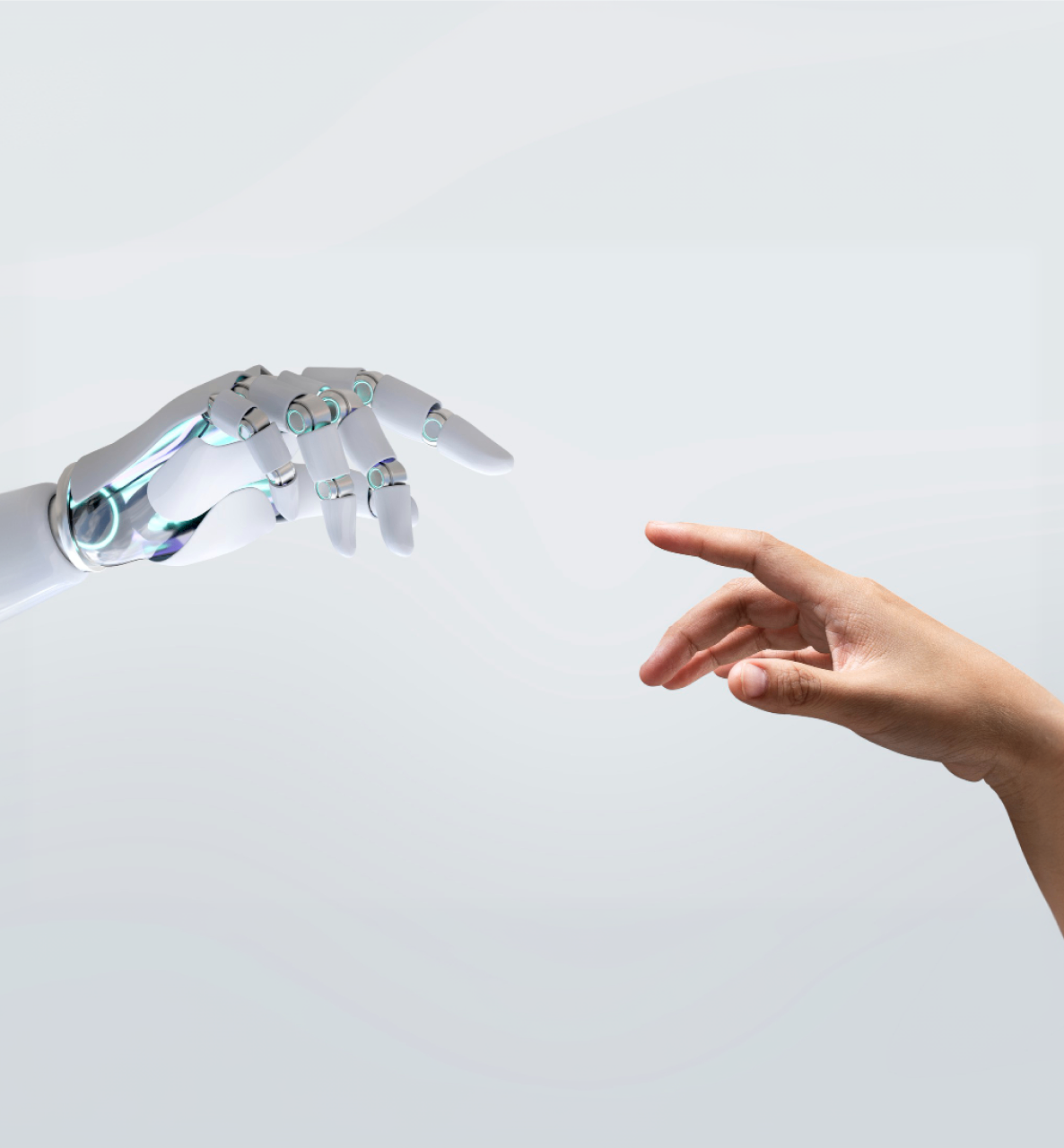

Table of Contents
A deep dive into the debate on AI vs human creativity, why the world’s leading organizations are embracing AI and human collaboration, and how to master both.
The narrative that algorithms are going to eradicate human ingenuity is a fundamental misunderstanding of what actually drives business. The real threat in the modern economy isn't a machine coming to take your job. The threat is someone else who knows how to command that machine better than you do.
We are currently watching a massive shift in how value is built. As artificial intelligence scales across every industry, the baseline for basic productivity has skyrocketed. But when anyone can generate a business plan or a marketing asset in ten seconds, those assets lose their competitive edge. The debate of AI vs human creativity isn’t a showdown; it’s a new reality taking shape.
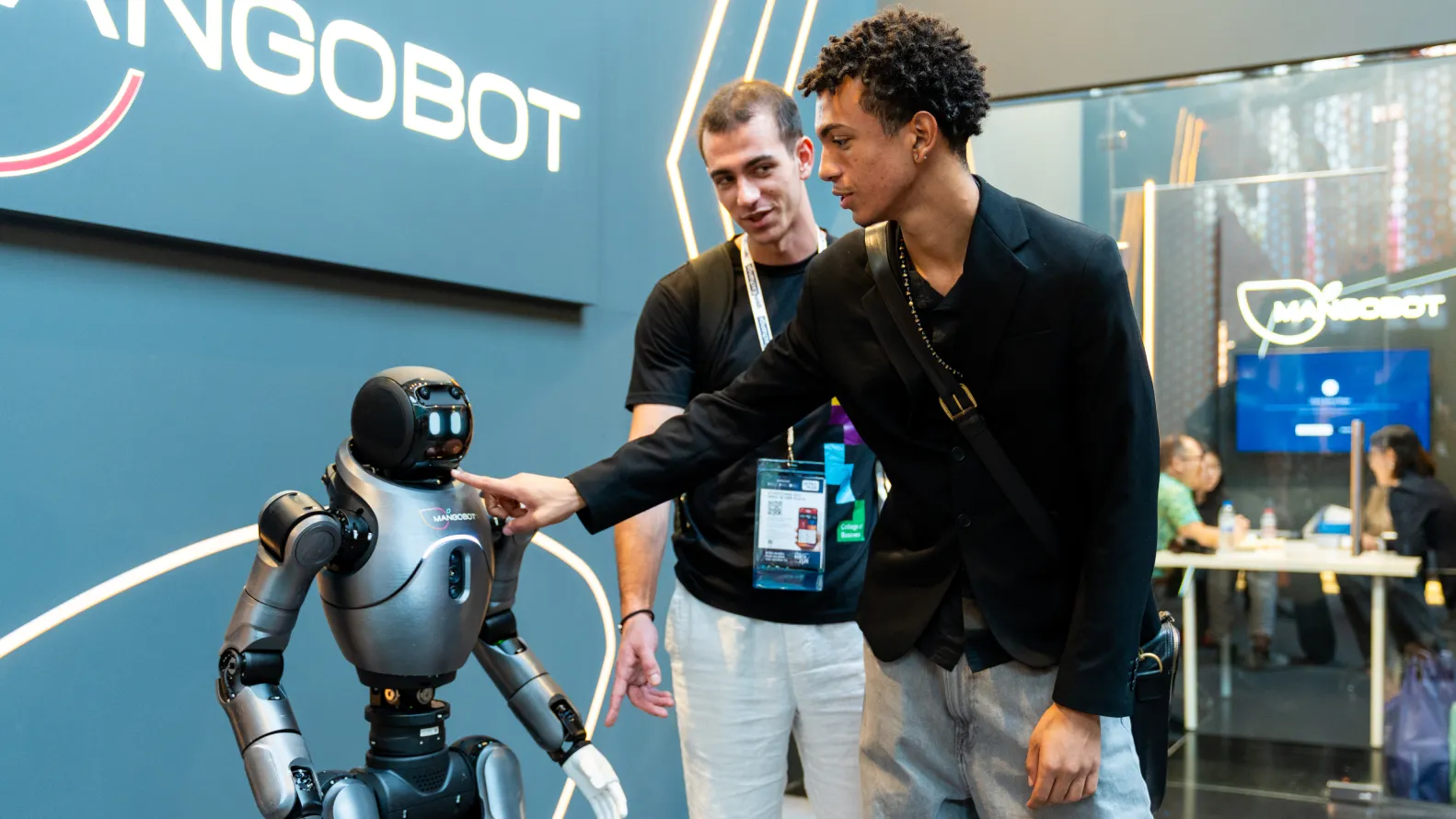
Here is what it actually looks like when the lines blur between human intuition and algorithmic scale.
You cannot out-work an algorithm. If the task involves synthesizing massive datasets, finding hidden patterns in consumer behavior, or generating ten thousand variations of an ad copy, AI and machine learning will win every single time.
Algorithms are built for relentless, high-volume execution. They don't need sleep, they don't get burnt out, and they don't complain about repetitive tasks. In the startup world, treating AI as just a chatbot is a fatal mistake. Elite founders use these systems as an automated backend, cutting operational costs to zero and moving at a speed that would have required a 50-person team just five years ago.
But there is a hard ceiling to algorithmic power: it is entirely derivative. AI trains on what already exists. It can mix, match, and optimize the past, but it cannot genuinely invent the future.
This is where the human element becomes the ultimate premium. True creativity isn't just about producing an output; it’s about understanding the messy, unquantifiable context behind it.
An algorithm can tell you the mathematical probability of a product succeeding, but it cannot feel the cultural friction of launching that product in a hyper-traditional market. It doesn't have a gut instinct. It doesn't know when to completely break a standard design rule because the target demographic is bored and craving something rebellious.
When you look at AI and humans at work, humans own the domain of strategy, empathy, and high-stakes risk. You need a human to sit across the table from an anxious investor and read the subtle shifts in their body language. You need a human to pivot a company’s entire direction based on a sudden geopolitical shift that hasn't even hit the data sets yet.
The companies that dominate 2026 will not be the ones that replace their workforce with bots. They will be the ones who know it’s not AI vs human creativity; it’s AI and human collaboration.
This combination requires a completely new breed of founders. You cannot simply be a "tech person" or a "business person" anymore. You have to be a hybrid. You need the technical chops to build custom AI pipelines and the street-smart agility to negotiate a manufacturing contract in a foreign language. The machine handles the scale; the human dictates the direction.
Traditional universities are still teaching business and artificial intelligence as two completely separate disciplines. By the time their students graduate, their skill sets are already obsolete.
At Tetr, we treat tech as the baseline. That is the driving force behind our Bachelor of Science in Artificial Intelligence. We don't just put students in a dark room to write code and study theoretical data models. We drop them into global economic hubs, from Dubai to Silicon Valley, and force them to deploy live AI systems to solve actual business bottlenecks.
They learn how to build intelligent, self-optimizing platforms, but more importantly, they learn why those platforms matter in the real world. They navigate cross-border supply chains, manage human teams, and figure out how to scale their algorithms in drastically different cultural landscapes.
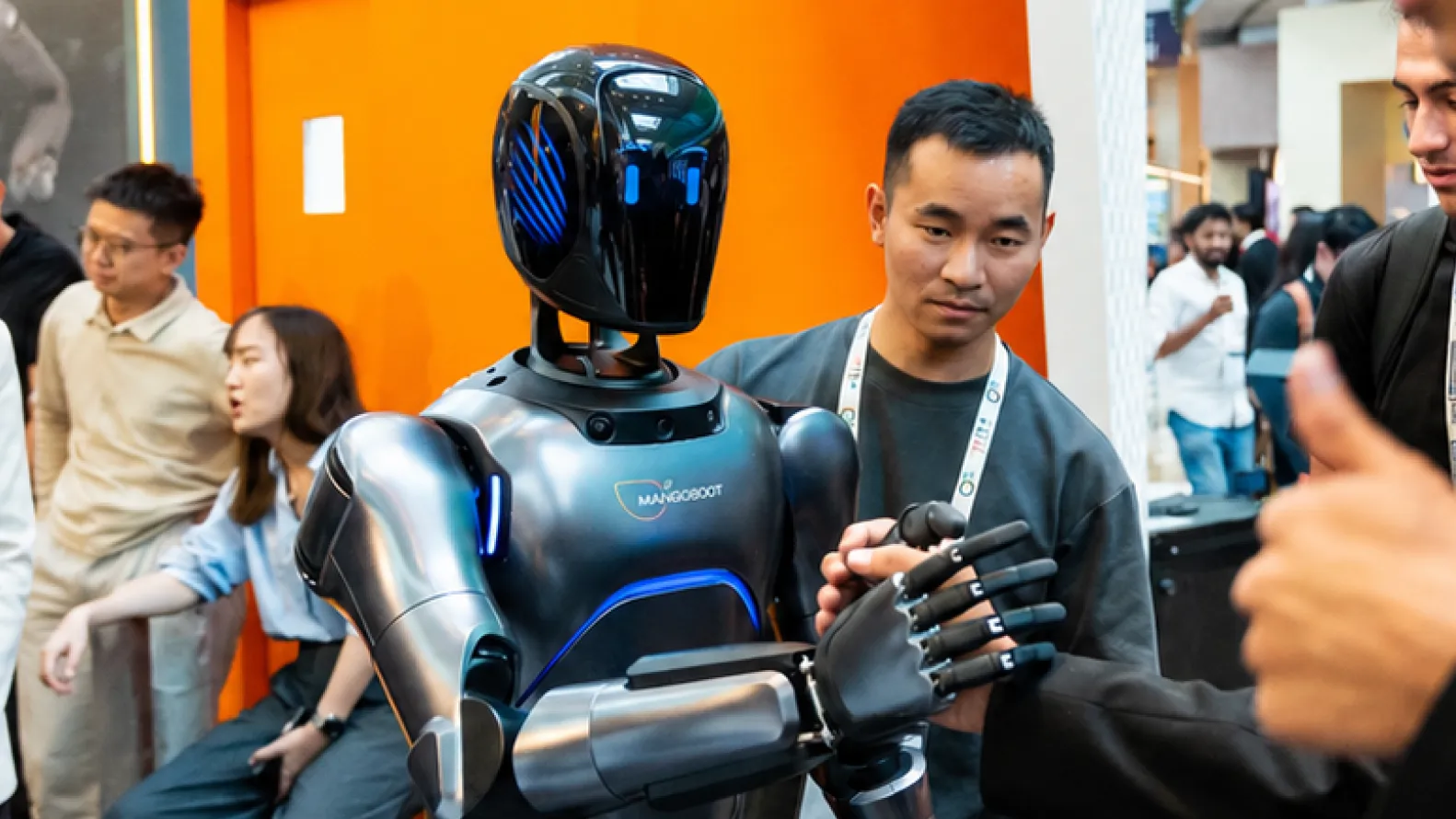
Artificial intelligence is here to stay, but humans aren’t going anywhere either. The way forward isn’t AI versus humans; it’s AI and human collaboration, a reality reflected every day in the hands-on curriculum of our Bachelor of Science in Artificial Intelligence.
For personalized guidance on admissions or program details, reach out at studentsupport-ug@tetr.org.

Can AI truly replace human creativity in the workplace?
No. Artificial intelligence trains on already existing datasets, which is why it cannot create something never-before-seen. And that’s precisely where human creativity shines; it is the ability to imagine possibilities that do not even exist yet and to shape them into something meaningful.
How does AI support creativity at work?
Which industries benefit most from AI-powered creativity?
What creative skills do humans have that AI cannot replicate?
Why should students study AI if human creativity is still important?
