
Category
Gap Year Program
Category
Gap Year Program 
 Bachelor of Finance & Artificial Intelligence Bachelor of Management & Technology Integrated Bachelors and Masters in Management & Technology Graduate Program in Entrepreneurial Leadership Integrated Bachelors and Masters in Management & Technology Tetr Pathfinder: China Edition Tetr Pathfinder: Europe Edition Tetr 7-day Basecamp Student Life Contact Us Jobs


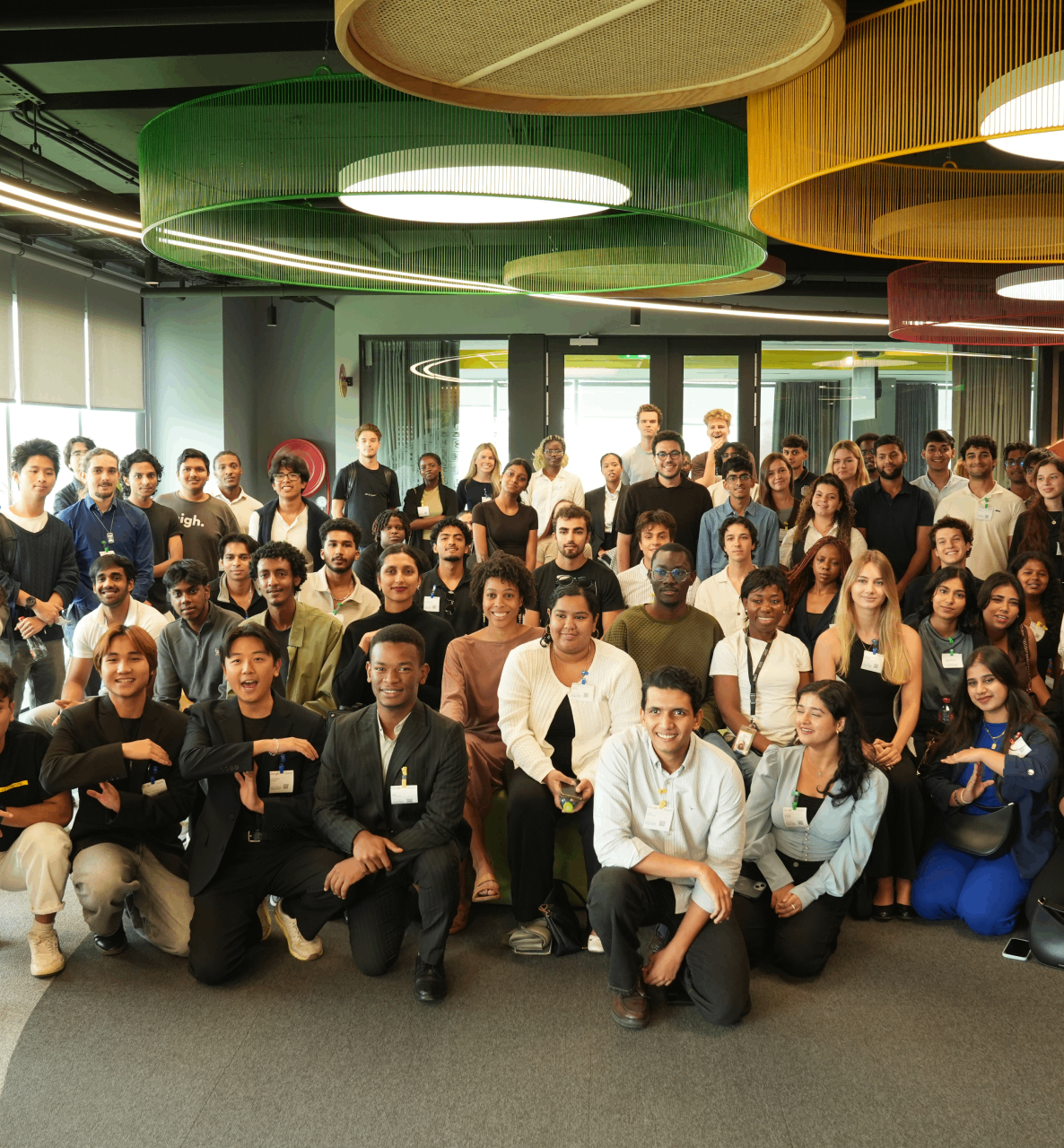
Table of Contents
An immersion on how artificial intelligence moves from theory to ecosystem at Google AI.
Students do not explore this question through textbooks alone. They explore it by stepping into the rooms where AI is being built, debated, and deployed. During their fourth term in Ghana, Tetr students visited the Google AI Community Centre in Accra, gaining direct exposure to how one of the world’s most influential technology companies is shaping artificial intelligence across Africa.
Rather than focusing on abstract models or hypothetical use cases, the immersion revealed how AI operates inside a real ecosystem. It showed students how talent is nurtured, how research is translated into applications, and how global technology infrastructure intersects with local opportunity.
Students engaged directly with leaders and practitioners building AI initiatives on the ground. They learned how the Centre was intentionally designed to support developers, researchers, and entrepreneurs within Ghana’s growing tech ecosystem. Conversations moved beyond algorithms and into ecosystem design, access to infrastructure, and the realities of scaling AI solutions in emerging markets.
For many students, this shifted their understanding of artificial intelligence. AI was no longer just code running in isolation. It was community-driven, policy-aware, and deeply tied to local context.
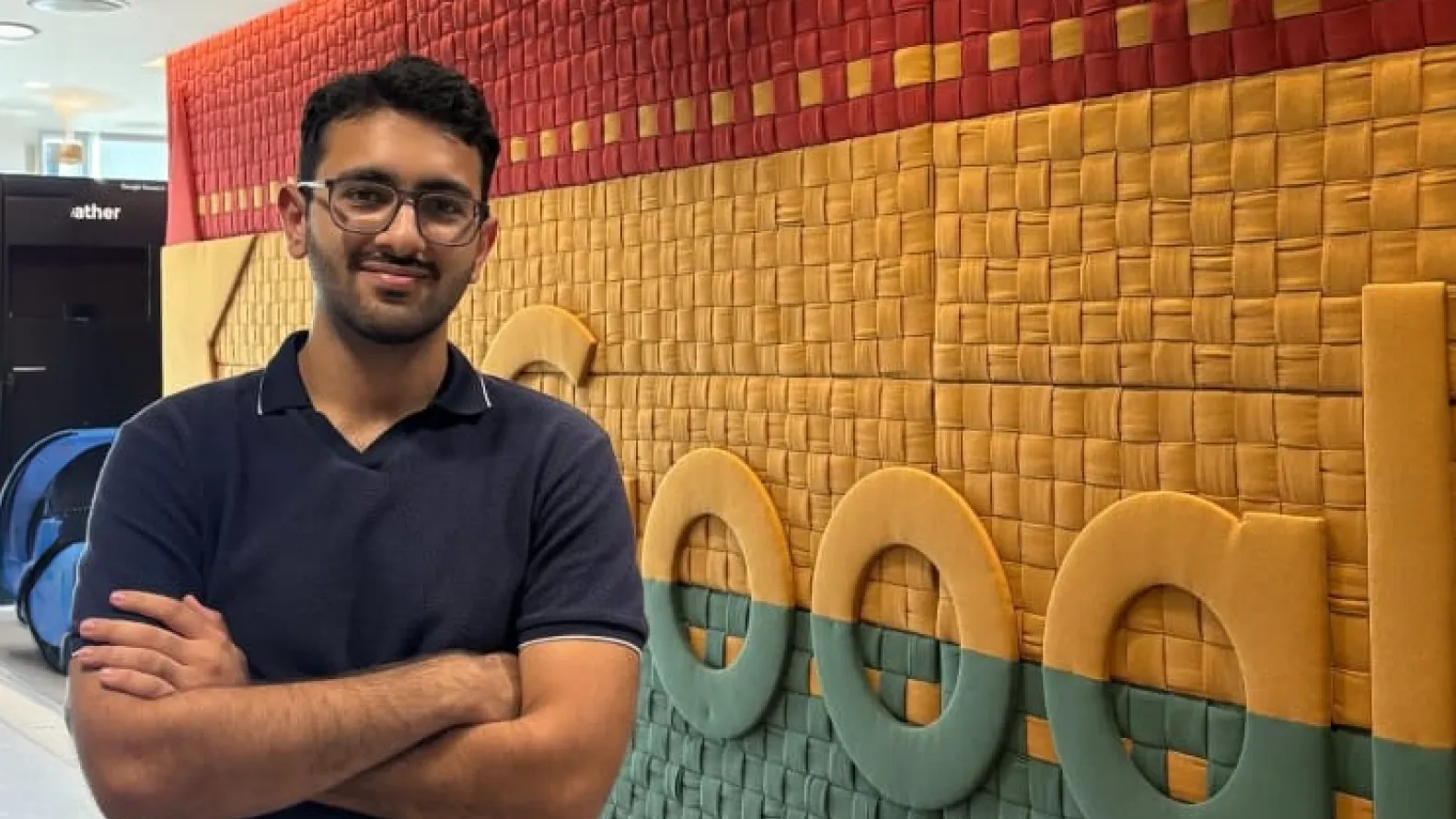
Several Tetr students shared their own AI ideas, experiments, and early prototypes, opening them up to critique from professionals operating within Google’s ecosystem.
Feedback centered on feasibility, scalability, and real-world constraints. Students were pushed to think beyond functionality and consider deployment environments, user behavior, and infrastructure limitations.
They also explored tangible career pathways within Google’s broader network, gaining clarity on research residencies, internship structures, and long-term roles in artificial intelligence and machine learning.
All of it demonstrated that students are not years away from participating in meaningful AI conversations. With the right exposure and mentorship, they are already building.
Ghana is not a random stop. It is one of Tetr’s global basecamps because it represents a fast-evolving hub of technological ambition and ecosystem building. By embedding students in environments like Accra, Tetr ensures that learning happens where innovation is unfolding in real time.
Tetr’s learning model treats exposure to real operators as structural, not optional. Immersions like the one at the Google AI Community Centre are designed to collapse the gap between theory and application. Students see how frontier technology moves from research labs into communities, especially in markets where opportunity is accelerating.
As they stepped out of the Centre, students carried more than insights into AI. They carried a clearer understanding of what it takes to build responsibly, scale thoughtfully, and lead in emerging technology ecosystems.
That is the difference between studying artificial intelligence and preparing to shape its future. To know more or explore our AI programs, visit https://tetr.com/bs-artificial-intelligence.
