
Category
Gap Year Program

Category
Gap Year Program 
 Bachelor of Finance & Artificial Intelligence Bachelor of Management & Technology Integrated Bachelors and Masters in Management & Technology Graduate Program in Entrepreneurial Leadership Integrated Bachelors and Masters in Management & Technology Tetr Pathfinder: China Edition Tetr Pathfinder: Europe Edition Tetr 7-day Basecamp Student Life Contact Us Jobs



Table of Contents
A journey into the evolving use of artificial intelligence in everyday life, gauging its impact across daily lives, education, and industries.
Five years ago, intelligent algorithms were treated as an experimental novelty. Today, they are the operational baseline of the global economy. If a company isn't utilizing intelligent systems to cut costs, accelerate supply chains, or scale their marketing, a competitor absolutely is.
The true impact of artificial intelligence isn't about robots replacing humans; it is about professionals using artificial intelligence and machine learning to scale their decision-making. Let's look at how this technology is actually being deployed on the ground, and why understanding it is no longer optional.
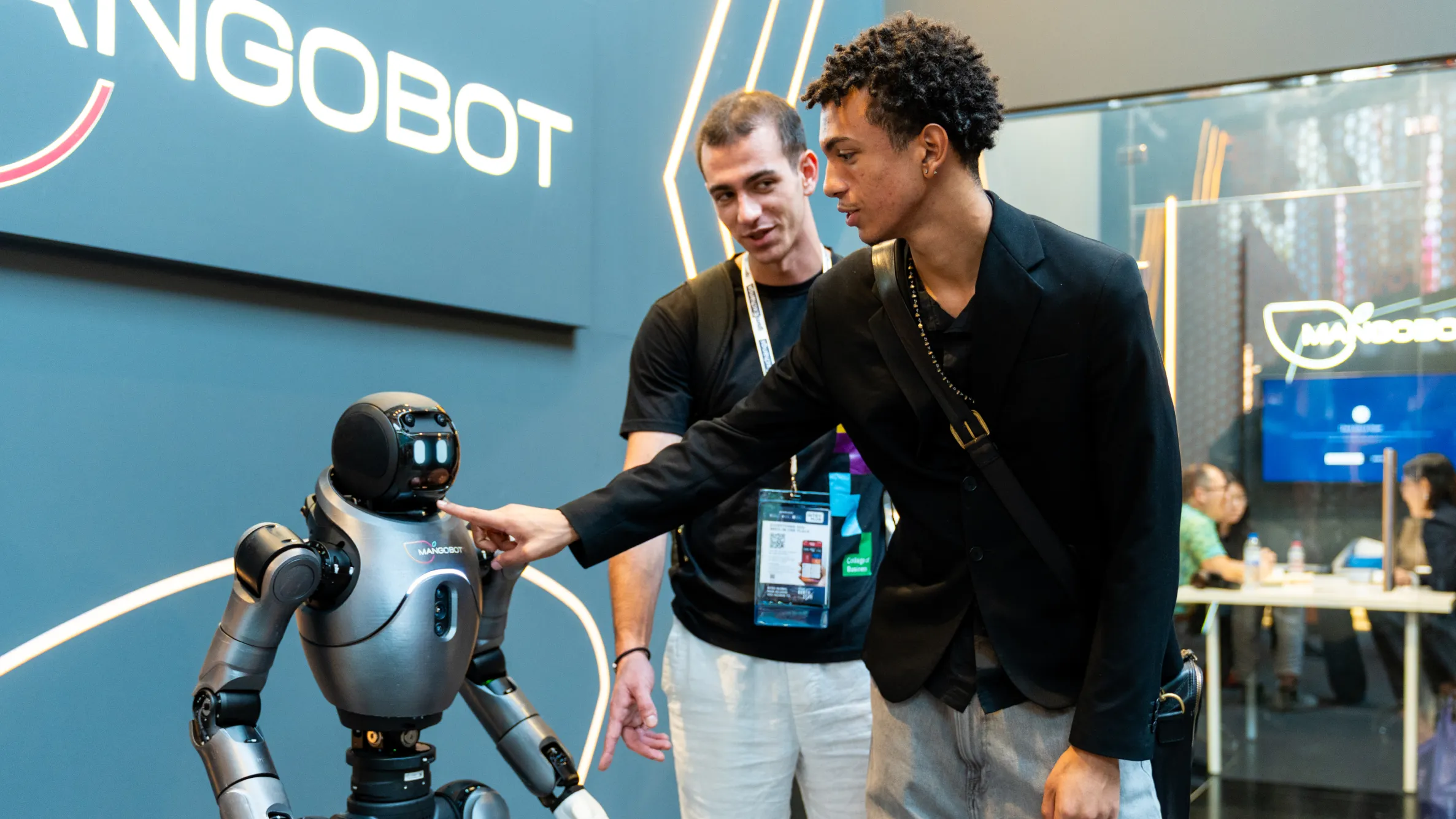
When most people hear the phrase AI in everyday life, they picture talking to a smart speaker or scrolling through personalized Netflix recommendations. But the reality is much more deeply embedded in how we execute our day-to-day hustle.
Artificial intelligence in daily life acts as an invisible logistics manager. It’s the algorithm rerouting your morning commute around a blocked intersection in real-time. It’s the spam filter catching a phishing attempt before it hits your inbox, and the predictive analytics automatically categorizing your monthly expenses. It strips away the low-level administrative friction, clearing the deck so you can focus entirely on high-stakes, strategic execution.
Zoom out from individual habits, and you see entire global markets being ripped apart and rebuilt from the ground up. When we look at AI transforming industries, we aren't talking about marginal software upgrades. We are talking about complete structural overhauls powered by artificial intelligence and machine learning.
Take global logistics, for example. Algorithms are now predicting supply chain bottlenecks weeks before a shipping container even hits the port. And in finance, machine learning models are executing risk assessments in milliseconds, spotting market anomalies that human analysts would miss entirely. Even Direct-to-Consumer (D2C) brands now use these tools to dynamically adjust their pricing and ad spend based on local weather patterns or sudden cultural trends. You simply cannot compete in these arenas using manual spreadsheets anymore.
Because the global landscape is shifting so aggressively, the way we train the next generation of leaders has to fundamentally adapt. The role of AI in modern life has shifted from a niche technical skill to a mandatory executive requirement. This is exactly why Tetr College of Business challenged the traditional, highly theoretical tech curriculum.
Whether students are enrolled in our Bachelor of Science in Artificial Intelligence or our postgraduate artificial intelligence programs, they aren’t sitting in a lab writing code in a vacuum. They are living, learning, and working in active tech hubs like San Francisco, Dubai, Shanghai, and Madrid.
They are tasked with deploying ML solutions that solve real business problems, launching AI-powered ventures that actually generate revenue, and other capstone projects that mandate the use of artificial intelligence in daily life. They learn to treat the technology as a co-founder, successfully bridging the gap between raw data and street-smart business strategy.
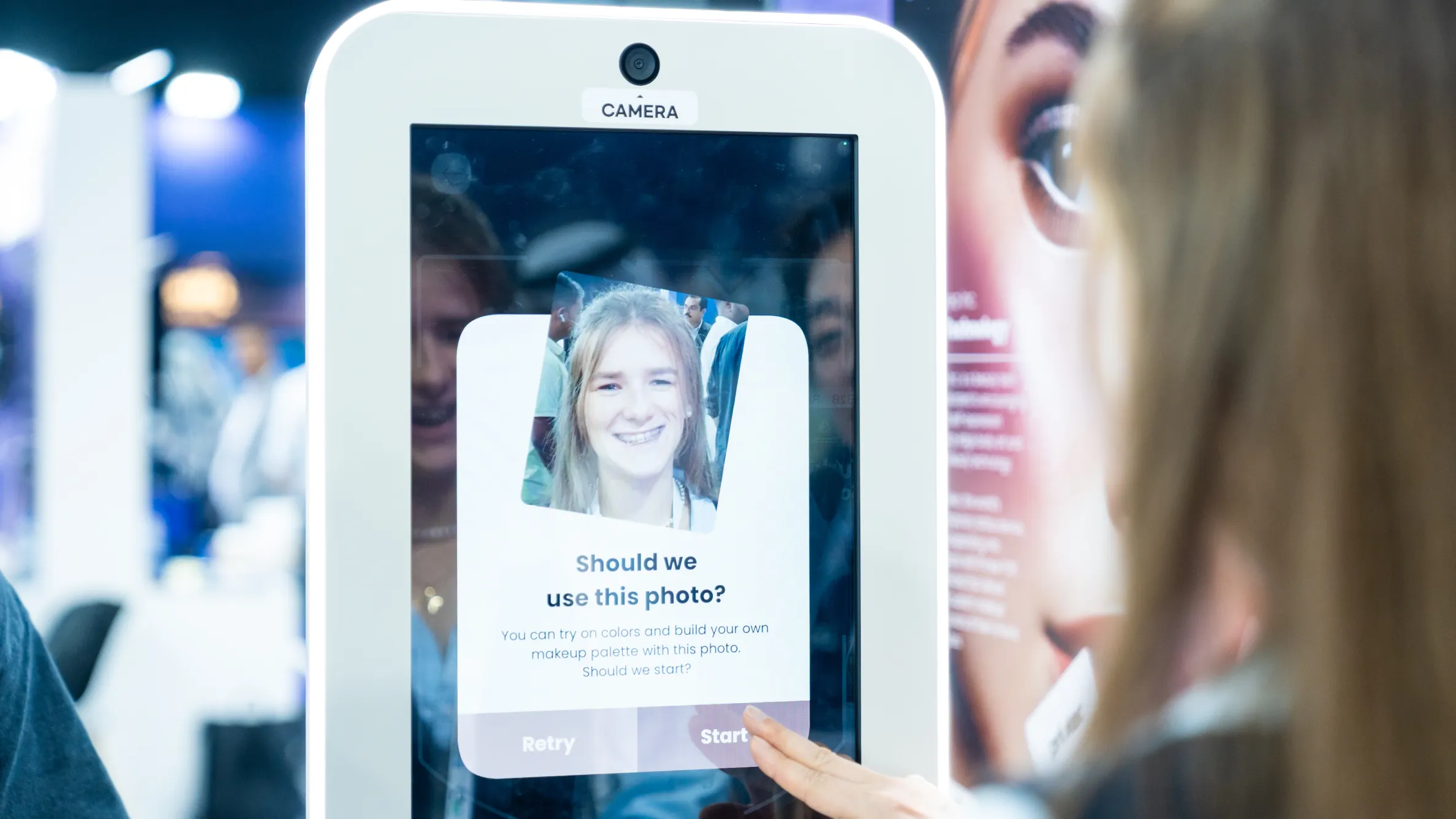
The actual benefits of artificial intelligence come down to two critical advantages: speed and leverage.
Startups no longer need massive amounts of venture capital to hire resources for basic operations. AI acts as an automated backend, allowing a three-person founding team to execute with the volume and precision of a fifty-person agency.
You don't have to guess what your target market wants. AI synthesizes thousands of customer interactions instantly, telling you exactly where your product is failing so you can pivot your strategy before the cash runs out.
When algorithms handle the repetitive heavy lifting, humans are finally freed up to do what machines cannot, from negotiating complex deals to building cross-cultural partnerships to managing the emotional morale of their teams.
The economy of 2026 doesn't reward people who just know how to prompt a chatbot, and it definitely doesn't reward executives who refuse to adapt. It rewards those who can comfortably stand in the middle. The future belongs to those who view AI not as a threat to their job but as a catalyst to bring their vision to life across the globe.
Tetr, through its artificial intelligence programs, is already building the next generation of leaders who know how to leverage artificial intelligence and machine learning to their advantage, and you can be a part of it, too.
For personalized guidance on program details or admission, reach out to studentsupport-ug@tetr.org or studentsupport-pg@tetr.com.

How is AI used in everyday life?
The use of artificial intelligence in daily life is evident in how prompts to ChatGPT and Gemini have replaced the good ol’ Google search for most. From predictive texts on smartphones to personalized recommendations on e-commerce platforms, AI has pervaded nearly every facet of our lives
How is artificial intelligence changing the workplace?
Which industries are benefiting the most from AI?
What is the future of artificial intelligence across industries?
