
Category
Gap Year Program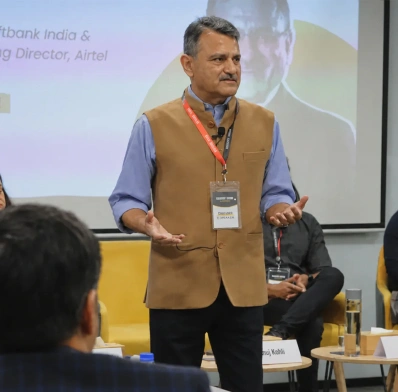

Category
Gap Year Program 
 Bachelor of Finance & Artificial Intelligence Bachelor of Management & Technology Integrated Bachelors and Masters in Management & Technology Graduate Program in Entrepreneurial Leadership Integrated Bachelors and Masters in Management & Technology Tetr Pathfinder: China Edition Tetr Pathfinder: Europe Edition Tetr 7-day Basecamp Student Life Contact Us Jobs



Table of Contents
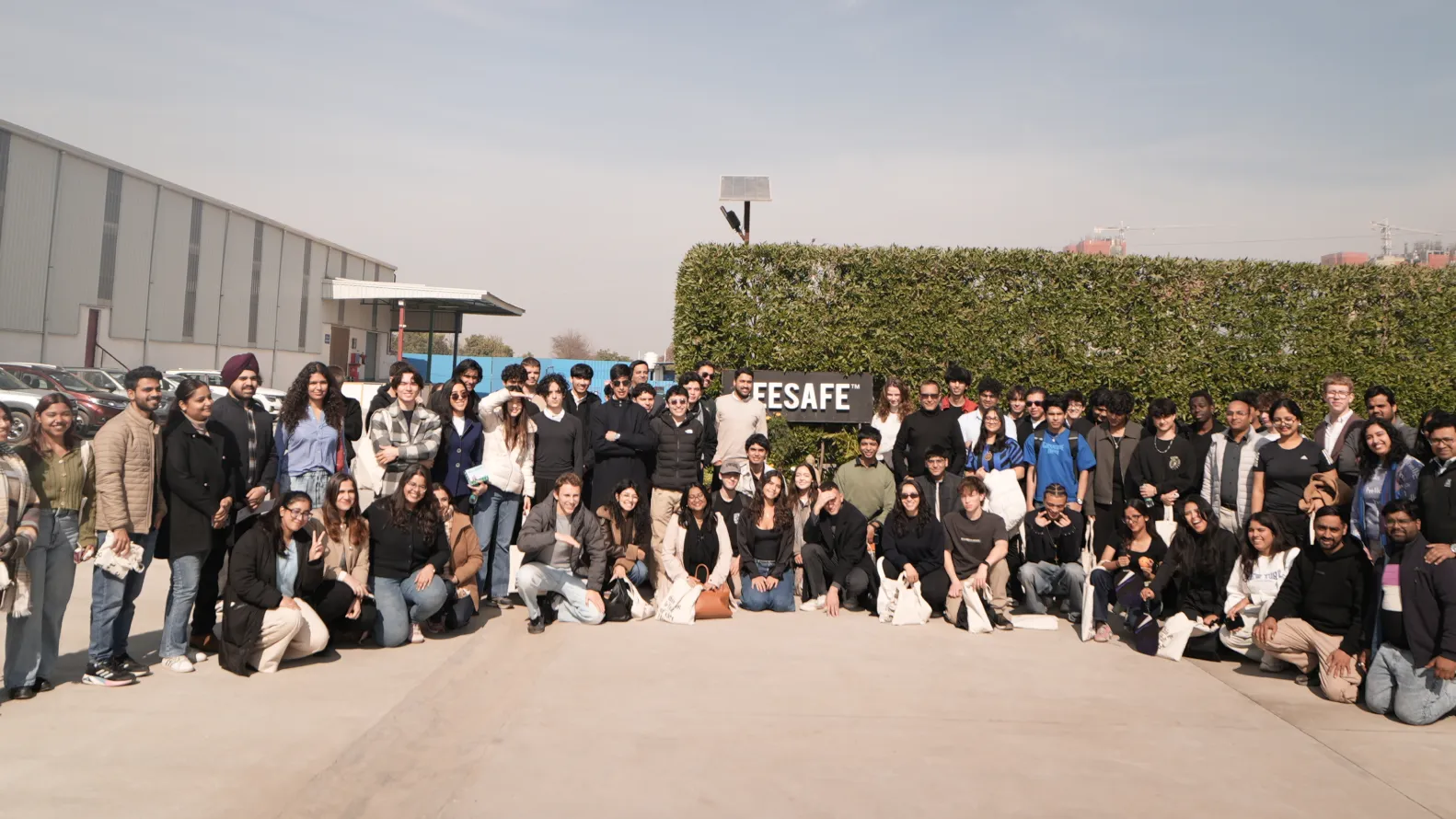
Tetr took its tribe inside one of India’s largest feminine hygiene companies, Pee Safe. What they found was not just a successful company but a blueprint for how new markets and industries are built.
What started as a single toilet seat sanitizer spray has grown into a $30M brand with 50+ products, 20M+ customers, and a presence across 20+ countries. Vikas Bagaria did not build this by fighting stigma with messaging or chasing trends with capital. He built it by finding one sharp, daily pain point and solving it so well that customers kept coming back. That repeat behavior became a habit, and that habit became the foundation for an entire product ecosystem.
The easiest businesses to imitate or replace are the ones built around trends. The hardest to displace are the ones that pioneer solutions.
Vikas Bagaria did not set out to build a hygiene empire. He set out to solve one specific, uncomfortable problem: unhygienic public toilets in India. Pee Safe made a product that was practical, portable, and immediately useful, and did not need a marketing budget to justify its existence. It sold itself through repetition. This is the pattern that separates businesses that scale from businesses that spike.
For any entrepreneur, the lesson is simple: the deeper the pain point and the more consistently it shows up in someone's life, the less you have to fight for their attention. You just have to show up reliably.
India is one of the most complex consumer markets in the world, and also one of the most rewarding for brands that earn trust in the right way. It is a market where cultural hesitation around topics like menstruation and intimate hygiene runs deep, where infrastructure gaps mean public sanitation is a genuine daily concern for millions, and where a growing middle class is increasingly willing to spend on products that improve quality of life.
Pee Safe entered at the precise intersection of all three. The stigma around the category was not a barrier; it was a signal. It meant the space was underserved and underfunded, waiting for a brand confident enough to take it seriously. Once Pee Safe established trust in that first product, expansion became logical rather than risky. Sanitary napkins, intimate washes, menstrual hygiene essentials, 50+ products across 20+ countries, all of it grew from a customer base that had already decided to trust the brand. In India, that trust is not given. It is earned slowly, through consistency, through cultural sensitivity, and through products that respect the user's reality. Pee Safe understood that and built accordingly.
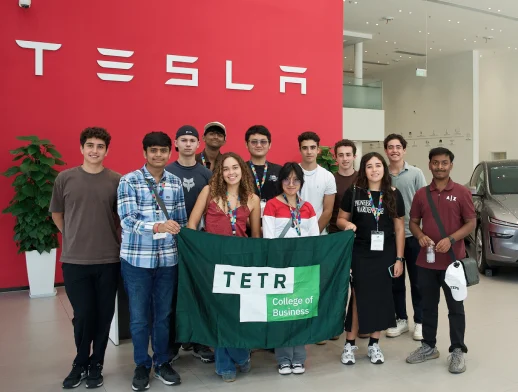
When Tetr students walked into Pee Safe, they weren't there for a tour. They were there to reverse-engineer how a brand built an entire category from scratch.
The insight wasn't in the numbers. It was in the logic — every product expansion mapped to an existing habit. Every growth milestone earned through repeat usage, not a single viral moment. An entry point defined by a sharp, specific pain — not an ambitious, sweeping vision.
That kind of thinking doesn't live in textbooks. It lives in rooms where real decisions are made.
Learn more about our immerssions here: https://tetr.com/student-life
