
Category
Gap Year Program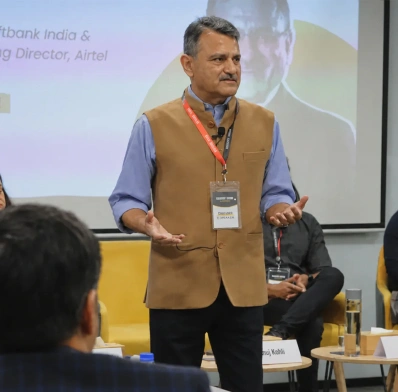
Category
Gap Year Program 
 Bachelor of Finance & Artificial Intelligence Bachelor of Management & Technology Integrated Bachelors and Masters in Management & Technology Graduate Program in Entrepreneurial Leadership Integrated Bachelors and Masters in Management & Technology Tetr Pathfinder: China Edition Tetr Pathfinder: Europe Edition Tetr 7-day Basecamp Student Life Contact Us Jobs


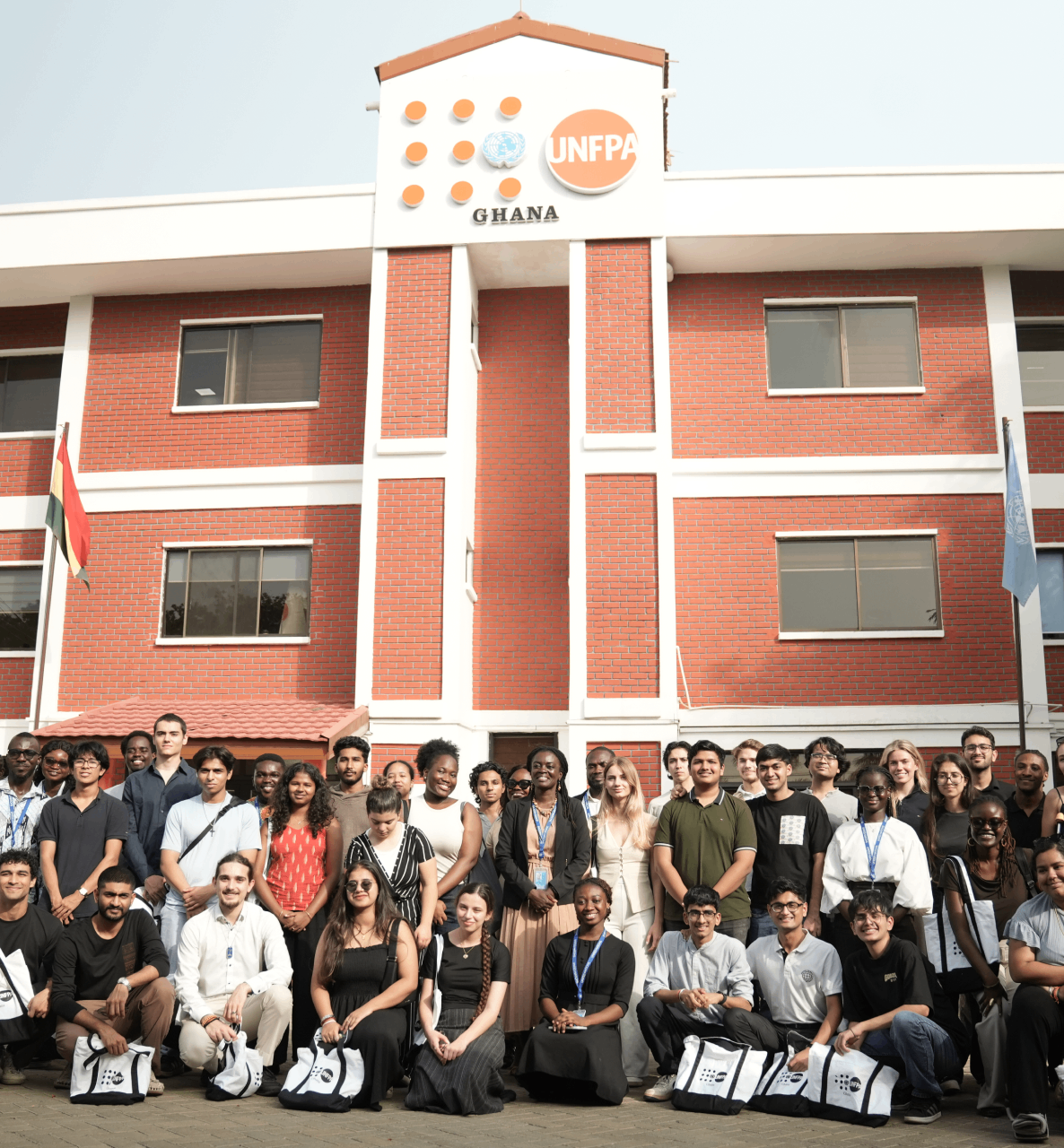
Table of Contents
Sometimes the best way to understand global development isn’t through a lecture or a report. It’s by stepping inside the institutions that are actually doing the work.
During this experience, students had the opportunity to visit the office of the United Nations Population Fund (UNFPA) and see firsthand how one of the UN’s key development agencies operates in emerging markets. Instead of studying global development from a distance, they were able to engage directly with the people responsible for building impact across West Africa.
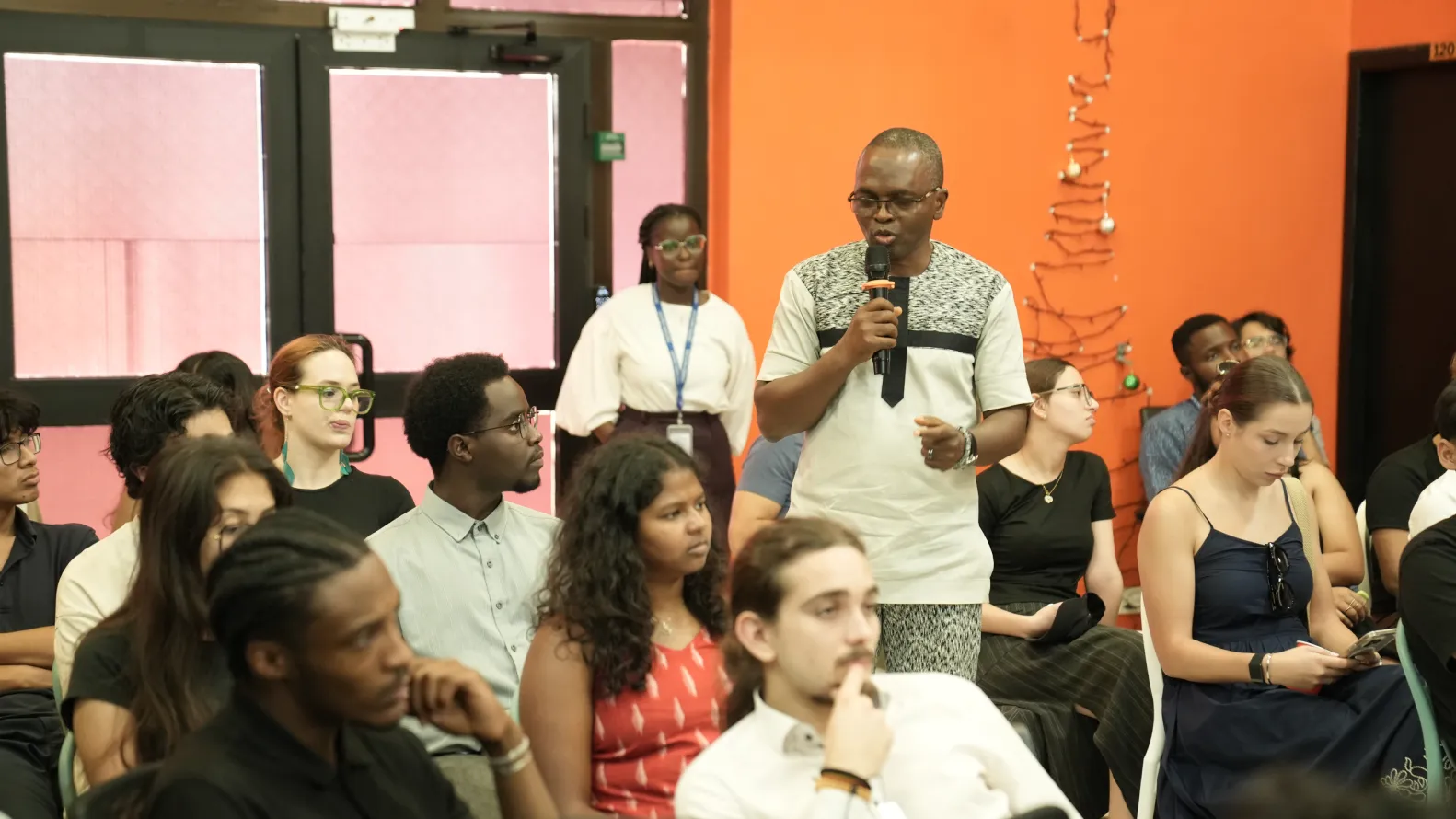
One of the most engaging parts of the experience was interacting with UN Fellows from across West Africa. These fellows are actively working on projects that address some of the region’s most pressing challenges, from maternal health and youth empowerment to gender equality and community development.
Listening to their journeys offered a window into what development work actually looks like on the ground. It is not always straightforward. Programs evolve, priorities shift, and solutions often require constant collaboration with local communities.
A major part of the session focused on the mandate and priorities of the United Nations Population Fund, an agency dedicated to improving reproductive health, advancing gender equality, and supporting safer pregnancies and childbirth around the world.
In many emerging markets, these issues are deeply interconnected. Population data influences government planning. Public health systems shape maternal and child outcomes. Gender equality determines access to education, employment, and healthcare.
UNFPA works right at the intersection of these challenges, combining research, partnerships, and policy support to help countries build systems that better serve their populations.
Students also had the chance to interact with heads of departments and other key leaders within the office.
They discussed how vulnerable populations are identified, how programs are designed, and how teams decide which problems to prioritize. What happens between collecting population data and launching large-scale development initiatives? How do different departments collaborate to turn research into action? Seeing these internal processes helped students understand that development work is both strategic and highly operational.
Much of the work led by the United Nations Population Fund ultimately centers on children and young people.
When maternal healthcare improves, childbirth becomes safer. When girls have access to education and reproductive health services, they are more likely to remain in school and pursue independent futures. When governments have reliable population data, they can better plan schools, hospitals, and public services.
The ripple effects are enormous. Small improvements in health systems or gender equality can shape the lives of entire communities for decades.
By the end of the visit, students developed a deeper understanding of the broader global development ecosystem and how different actors, governments, NGOs, social enterprises, and international organizations work together to drive impact.
More importantly, they saw that meaningful change rarely comes from a single initiative. It comes from sustained collaboration, thoughtful policy, and people committed to improving lives on the ground.
At Tetr, we believe understanding the world begins with seeing its challenges up close. Experiences like these help students engage with real systems and real impact. Explore our programs: https://tetr.com/
