
Category
Gap Year Program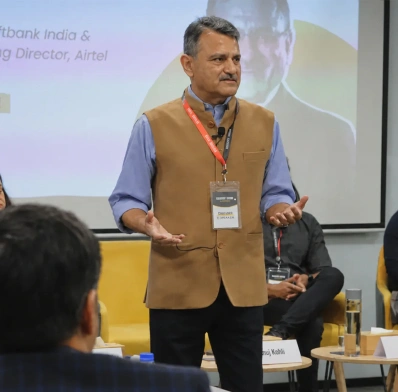
Category
Gap Year Program 
 Bachelor of Finance & Artificial Intelligence Bachelor of Management & Technology Integrated Bachelors and Masters in Management & Technology Graduate Program in Entrepreneurial Leadership Integrated Bachelors and Masters in Management & Technology Tetr Pathfinder: China Edition Tetr Pathfinder: Europe Edition Tetr 7-day Basecamp Student Life Contact Us Jobs


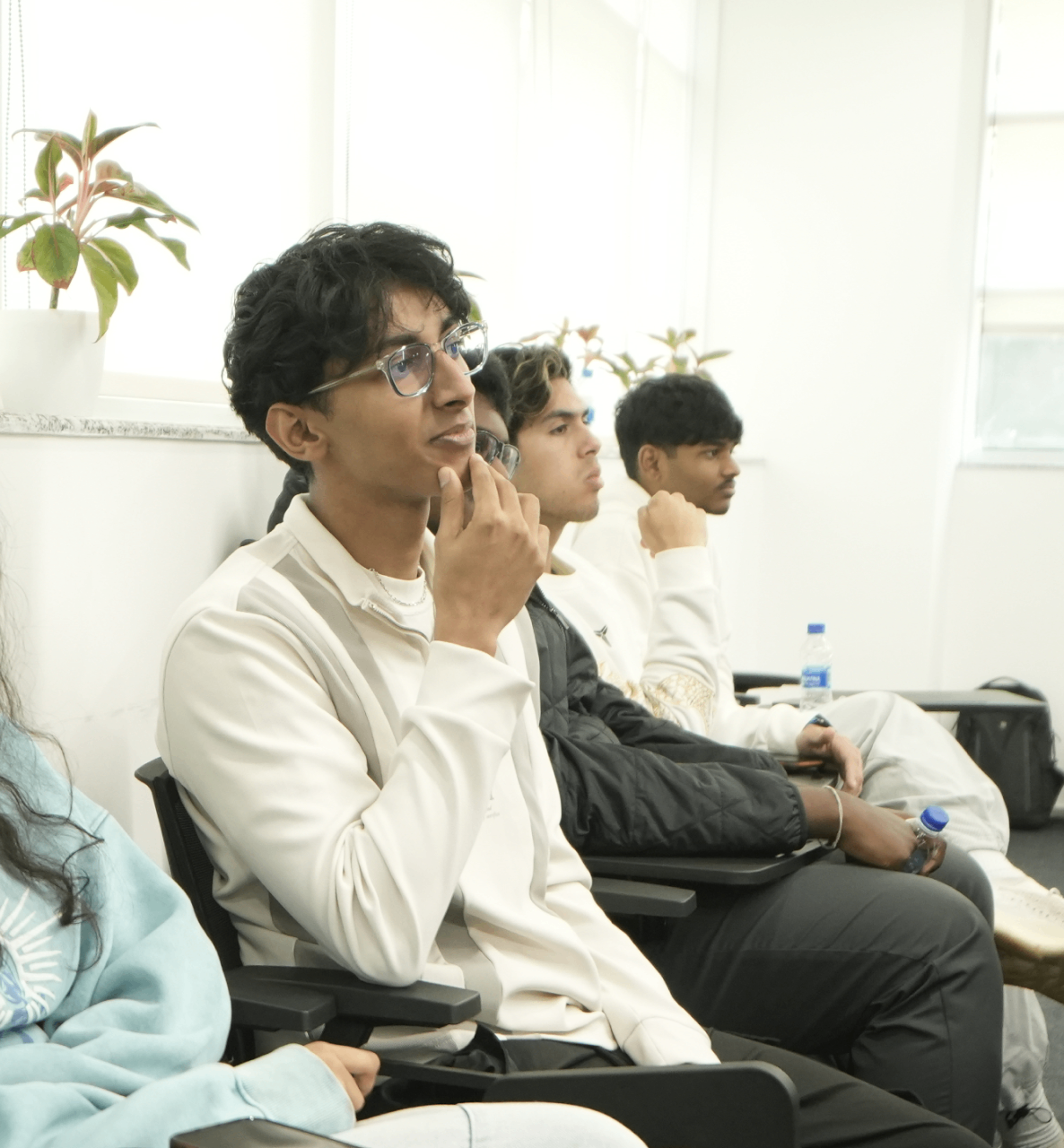
Table of Contents
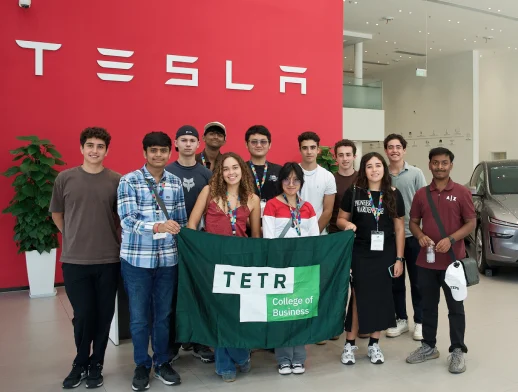
Tetr students recently spent three days at the Foundation for Innovation and Technology Transfer (FITT) at IIT Delhi, stepping into one of India’s most established innovation ecosystems.
But this wasn’t about touring labs or listening to presentations. It was about understanding how ideas actually move, from early-stage research to something that can exist, function, and scale in the real world.
Because between an idea and a working venture lies a process most people never see.
FITT was established in 1992 with a mandate that was straightforward and radical in equal measure: take what IIT Delhi's brightest minds were building in their labs and make it matter outside of them.
More than three decades later, it has become one of India's most quietly influential bridges between academic research and real-world application. Not through grand announcements, but through the unglamorous, essential work of R&D partnerships, startup incubation, IP management, and industry collaboration that turns a promising idea into something a market can actually use.
Walking through that system as a student is a specific kind of education. You start to understand that the gap between a breakthrough and a product is not a straight line. It is a negotiation.
Between researchers and industry partners, between what is technically possible and what users will actually adopt, between the pace of discovery and the patience of the market. Someone has to sit inside that tension and keep pushing. FITT has been doing exactly that for over thirty years, and the students who spend time inside it leave with a far more honest picture of what innovation actually demands.
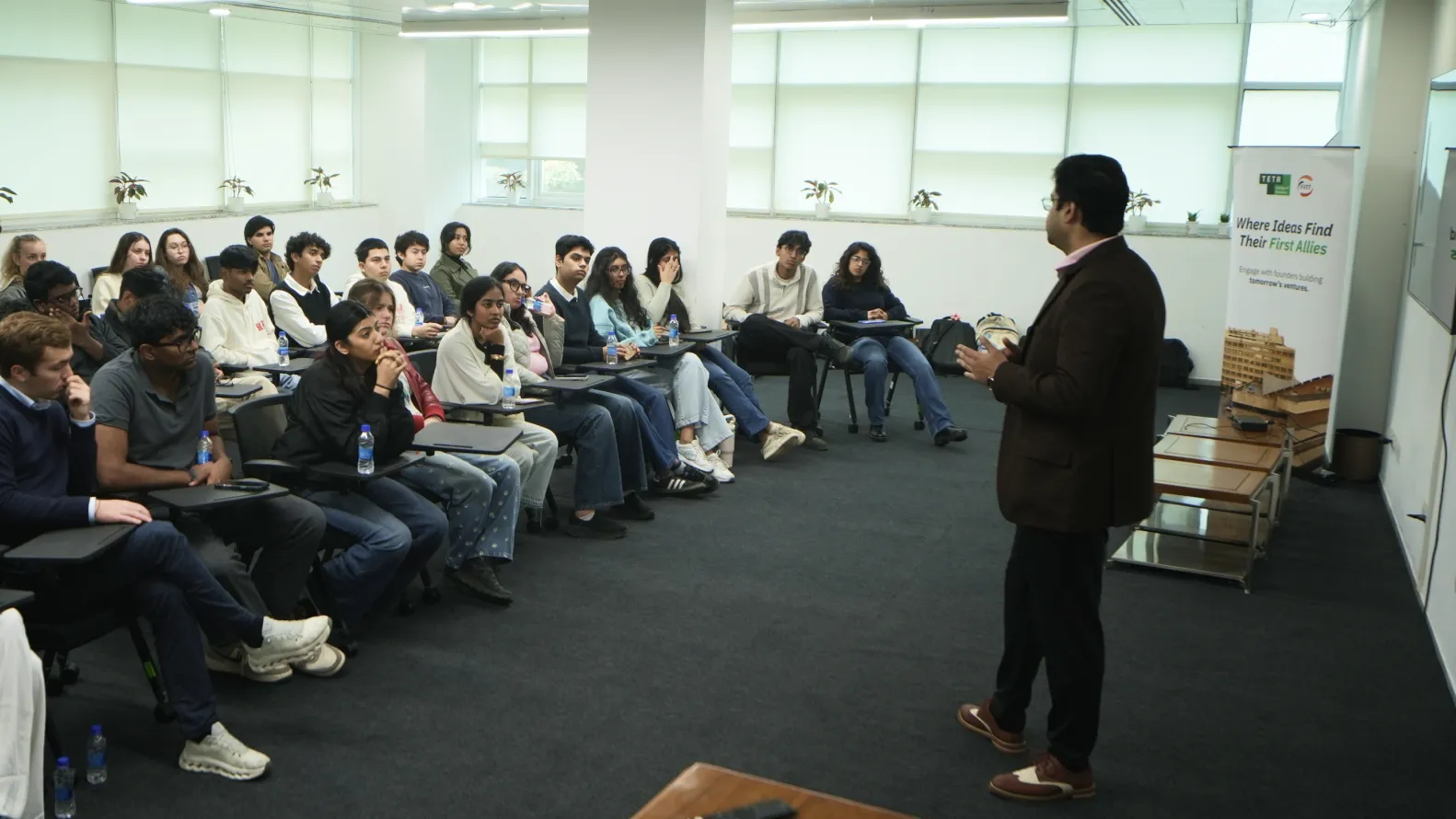
Over three days, students moved through different layers of this ecosystem.
They interacted with founders building in sectors like EV and Agri-Tech, industries where timelines are long and execution is deeply tied to real-world constraints. They explored research labs and incubation spaces, tracing how early-stage ideas are developed, tested, and prepared for commercialization.
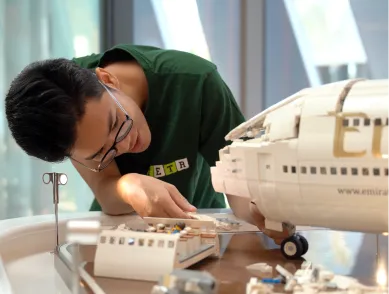
The tribe even got to build drone prototypes, working through the mechanics and limitations that come with hardware. They also participated in a practical AI and technology training led by Microsoft, where generative AI tools and automation were explored in applied contexts.
Some of the most valuable moments, however, came from conversations.
Not polished success stories, but honest discussions around failed iterations, trade-offs, and the reality of building without complete information. These are the parts of the process that rarely make it into structured learning, but define how things actually get built.
The immersion concluded with a drone show, bringing together many of the ideas students had engaged with, from engineering principles to coordinated systems in action.
Experiences like FITT–IIT Delhi reflect how learning is approached at Tetr.
Students are not limited to a single environment. They step into different ecosystems, institutions, and industries, engaging directly with the systems that shape how ideas are built and scaled.
What this does, over time, is shift perspective.
When you see how research becomes a product, and how products become companies, you start to think differently about what it takes to build something meaningful. You pay more attention to process, to constraints, to the decisions that sit between intention and outcome.
And slowly, the questions change.
From what sounds like a good idea to what is actually worth building. From how something works in theory to how it holds up in the real world.
That shift is the real outcome.
Learn more about the program here: https://tetr.com/bachelors-management-technology
