
Category
Gap Year Program
Category
Gap Year Program 
 Bachelor of Finance & Artificial Intelligence Bachelor of Management & Technology Integrated Bachelors and Masters in Management & Technology Graduate Program in Entrepreneurial Leadership Integrated Bachelors and Masters in Management & Technology Tetr Pathfinder: China Edition Tetr Pathfinder: Europe Edition Tetr 7-day Basecamp Student Life Contact Us Jobs


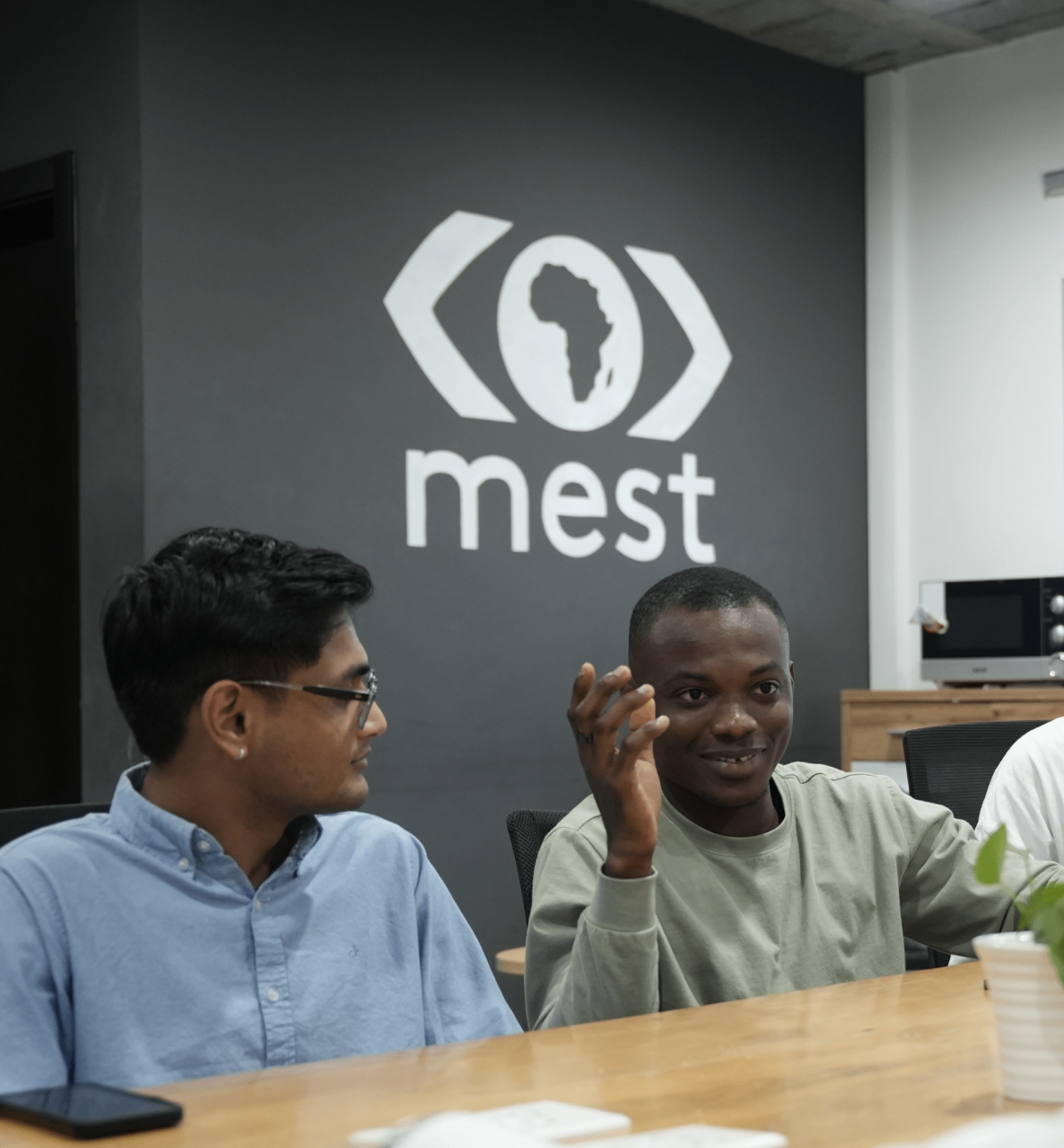
Table of Contents
During their Ghana immersion, Tetr Tribe visited the headquarters of the Meltwater Entrepreneurial School of Technology (MEST) in Accra, one of Africa's most influential startup ecosystems.
The visit offered students a window into how founders across the continent are building and scaling technology ventures. Through conversations with MEST alumni and participants in the new AI Startup Program, they explored the realities of launching startups in emerging markets, exchanged ideas, and received feedback on their own ventures. What followed was less like a formal session and more like a gathering of builders comparing notes across ecosystems.
Since 2008, MEST has been training entrepreneurs from across Africa to build technology companies with global potential. Backed by Norwegian media and technology company Meltwater, MEST combines startup education, venture incubation, and early-stage investment into a single ecosystem. Many of its alumni have gone on to raise international capital and build companies operating across multiple African markets.
In 2026, MEST is launching the MEST AI Startup Program, a redesigned seven-month initiative focused on building AI-driven startups. Participants learn technical and business fundamentals, form teams with founders from across the continent, validate ideas through real customer feedback, and build minimum viable products. Top-performing teams then enter a four-month incubation phase, refining their product, testing the market, and pitching for up to $100,000 in pre-seed investment.
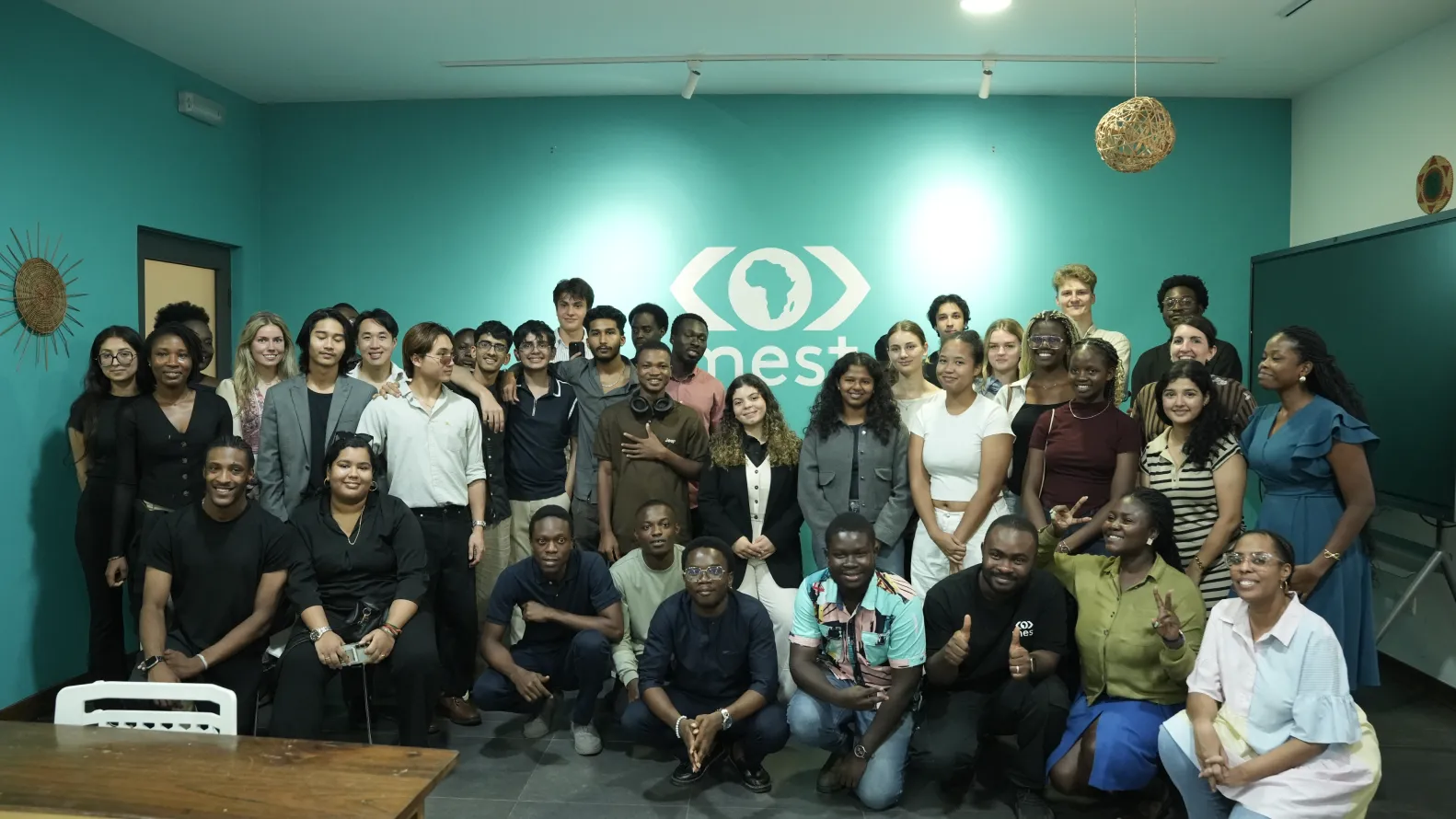
The session was hosted by Emily Fiagbedzi, Director of Training Program, who set the tone early: ask questions, meet people, and make the most of the room.
Students first heard from three MEST alumni who spoke candidly about launching startups in African markets, navigating early product development, and scaling companies across borders. Students were then divided into smaller groups and paired with alumni working in fields relevant to the ventures they were building or exploring. The format turned the visit into a series of focused founder conversations rather than a traditional presentation.
Students shared their own ideas, received honest feedback, and explored how similar challenges were being tackled by startups across West Africa's growing technology landscape.
The most valuable moments of the visit happened between the sessions.
Students found themselves in conversations with founders who had already taken ideas from concept to company, comparing approaches to product development, sharing lessons from early ventures, and discussing how startups evolve across different markets. Encounters like these do more than grow a network. They expand perspective.
For Tetr students, the environment at MEST felt immediately familiar.
Both institutions believe entrepreneurship is best learned by doing. Rather than separating theory from execution, founders are placed directly inside the process of building, testing ideas, forming teams, and navigating real markets. Where Tetr students build ventures as part of their academic journey across multiple countries, MEST brings together entrepreneurs from across Africa to develop startups designed for global reach.
The overlap in philosophy made the exchange between the two communities feel less like a visit and more like a reunion between people who had been working towards the same thing from different corners of the world.
That, perhaps, is the most powerful thing a good immersion can produce: the realisation that the drive to build something meaningful is not unique to any one place, program, or person. It is everywhere. You just have to know where to look.
At Tetr, immersions are not a supplement to the learning. They are the learning. Find out more at: https://tetr.com/experiences-at-tetr
